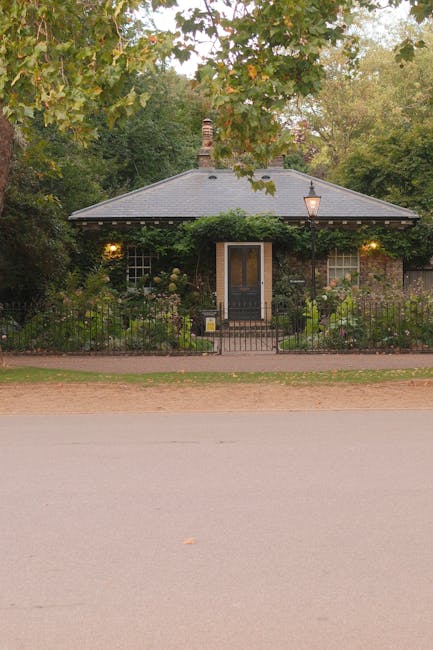
Regents Park gardeners NW1 small front garden guide

If you are trying to make a small front garden feel tidy, welcoming, and genuinely useful, you are not alone. In NW1, space is often tight, pavements are busy, and front gardens have to do a lot in a very small footprint. This Regents Park gardeners NW1 small front garden guide is here to help you make sensible choices without turning the job into a complicated project. Whether your front garden needs a cleaner layout, easier maintenance, or a sharper look from the street, the right approach can make a surprising difference.
Small front gardens can be brilliant, but they can also get messy quickly. One overgrown shrub, a patchy lawn, or a path that traps leaves, and suddenly the whole entrance feels tired. The good news? With a few practical decisions, even a compact space can look calm, neat, and considered. Let's walk through what matters, how it works, and what to avoid.
Why Regents Park gardeners NW1 small front garden guide Matters
A small front garden is one of those spaces that quietly shapes how a whole property feels. It is the first thing people see when they arrive, and the last thing you notice before you shut the door behind you. In an area like Regents Park and the wider NW1 postcode, where homes often sit close to the street and neighbours are never far away, front garden presentation matters more than many people think.
This guide matters because small front gardens are rarely just decorative. They have to manage foot traffic, drainage, seasonal growth, bin storage in some cases, privacy, and the general wear that comes from London living. To be fair, that is a lot to ask from a narrow plot with a modest planting bed. A good gardener understands how to make the space work hard without making it feel overdesigned.
There is also the practical side. A front garden that is easy to maintain saves time, reduces stress, and usually costs less to keep in shape over the long term. A space that is designed well from the start tends to need fewer emergency fixes later. And if you have ever spent a Saturday morning wrestling with a hedge that has decided to become a small woodland, you will know exactly why that matters.
In NW1, the weather patterns, shade from nearby buildings, and the pressure of urban footfall all influence what grows well. So this is not just about "making it look nice". It is about creating a front garden that suits the place, the light, the property, and your routine.
How Regents Park gardeners NW1 small front garden guide Works
At its core, the work starts with observation. A good gardener will look at the front garden as a small system, not a list of plants. They will check the light levels, the condition of the soil, how water moves across the space, where people walk, what the frontage already says visually, and how much maintenance the owner is realistically willing to do. That first look often tells you more than a dozen assumptions.
From there, the process usually breaks into a few sensible stages:
- Assess the layout. Measure the usable space and note entrances, railings, steps, paths, drains, and awkward corners.
- Strip back the clutter. Remove dead planting, self-seeded weeds, broken edging, and anything that makes the garden feel cramped.
- Decide the purpose. Is the goal neatness, privacy, colour, low maintenance, or all four? Small gardens work best when they have a clear job.
- Choose the planting style. Compact shrubs, seasonal colour, structure plants, or even container-led design can all work depending on the frontage.
- Improve the hard landscaping. Simple edging, a clean path, refreshed gravel, or repaired paving can completely change the look.
- Set a maintenance rhythm. Little-and-often care is usually the answer for small spaces, especially in a city setting.
The best results usually come from treating the front garden as an entrance sequence rather than a blank patch of soil. What do you see first from the pavement? What do you notice second? Where does the eye rest? Those questions sound a bit lofty, perhaps, but they are practical. They help prevent the common mistake of putting everything into one corner and hoping it somehow feels balanced.
If you need broader support across the property, it can help to look at a wider overview of gardening services so the front garden work fits into the rest of the outdoor space rather than sitting awkwardly on its own.
Key Benefits and Practical Advantages
A well-managed small front garden gives you more than curb appeal, though that is a nice bonus. It can make daily life easier, especially in a busy London setting where the front of the home gets constant visual traffic.
- Better first impression. A clean, ordered front garden signals care. That is useful whether you are welcoming guests, tenants, or simply yourself after a long day.
- Less maintenance pressure. A compact, well-planned scheme is easier to prune, weed, and tidy than a crowded, overplanted one.
- Improved usability. Paths stay clear, doorways feel more open, and the space becomes easier to live with.
- More privacy where needed. Thoughtful planting can soften sightlines without blocking light or making the frontage feel boxed in.
- Better seasonal resilience. Plants chosen for shade, wind exposure, and urban conditions tend to behave more reliably. Less sulking, less replacement work.
- Stronger property presentation. In a place like NW1, a neat front garden can quietly lift the whole tone of a home.
One practical benefit people often overlook is how much easier it becomes to spot problems early. In a tidy space, you notice drainage issues, leaf build-up, and plant stress before they become expensive or annoying. That alone is worth something.
Expert summary: For a small front garden, the real win is not cramming in more features. It is removing friction. Cleaner lines, fewer weak plants, and a layout that makes maintenance feel simple usually outperform a crowded "big idea" design.
Who This Is For and When It Makes Sense
This kind of guidance is especially useful if you own, rent, manage, or maintain a property in Regents Park or the surrounding NW1 area and the front garden is small, awkward, or underused. It also suits anyone who wants a better street-facing look without committing to a full landscape overhaul.
It makes sense if:
- your front garden looks tired but not completely overrun
- you want a tidy entrance with less weekly effort
- the space gets shade, wind, or patchy light
- you need privacy but do not want a heavy, closed-in look
- you are preparing a property for sale, letting, or general improvement
- you have tried a few plants already and they never quite settle
It is also a good fit if you are deciding whether to do the work yourself or bring in a local gardener. A small front garden can look deceptively simple. Then you start edging, pruning, lifting old roots, and reworking the bed borders... and suddenly it is a Saturday gone. Sometimes that is fine. Sometimes you would rather hand it over.
If you are comparing service options, the practical next step is usually to look at garden maintenance support for regular care, or landscape gardening if the space needs a more complete redesign.
Step-by-Step Guidance
Here is a practical way to approach a small front garden without making it more complicated than it needs to be.
1. Start with a clean slate
Remove dead growth, broken pots, stray weeds, fallen leaves, and anything that makes the space feel visually noisy. In many cases, the most effective first improvement is simply clearing the area properly. You see the bones of the garden again, and that changes everything.
2. Check what the garden actually gets
Look at sunlight through the day, not just at noon. Morning shade, afternoon glare, or a tree that drops fine litter can all influence plant choice. Small urban gardens often lie to you a bit if you only check them once. They seem sunny, then a neighbouring wall throws shade over half the bed by 3pm.
3. Define one main purpose
Do you want a soft, welcoming entrance? A lower-maintenance layout? More privacy? A slightly formal look? Pick the main purpose first, then build around it. Small spaces struggle when they try to be everything at once.
4. Simplify the planting structure
Use a few reliable plant groups rather than lots of unrelated varieties. In a front garden, repetition usually looks more polished than scattergun planting. A mix of evergreen structure, one or two seasonal highlights, and a low-growing filler can feel calm and intentional.
5. Pay attention to edges and hard surfaces
Fresh edging, clean paving joints, and a clear line between soil and path make a small garden look cared for. This is one of those boring-but-brilliant details. A tiny border can look surprisingly smart once the edge is crisp.
6. Plan maintenance from day one
If pruning, watering, or sweeping feels awkward, the design is probably too fussy. Small front gardens work best when the routine is short and realistic. You want a scheme that survives a busy week, not one that demands ritual attention every second evening.
7. Review after the first season
Most good front gardens improve with one cycle of observation. You learn which plant gets leggy, where water collects, and which bit always looks bare. Then you adjust. That second pass is often where the garden really starts to feel settled.
Expert Tips for Better Results
There are a few small choices that make a big difference in NW1 front gardens. None of them are glamorous. All of them help.
- Use repetition. Repeating a plant type or colour in a small frontage creates rhythm and calm.
- Keep tall plants controlled. In a front garden, height is useful, but not if it blocks sightlines or makes the entrance feel tight.
- Choose plants for resilience, not just appearance. Urban conditions can be dry, shaded, windy, or polluted in patches. Beauty is good. Tough beauty is better.
- Leave breathing room. Plants need space to mature. A newly planted garden should not already feel overcrowded.
- Make the doorway feel intentional. A tidy threshold, a clear path, and one or two strong focal points often outperform lots of small features.
- Think in layers. Low planting near the path, mid-height structure behind, and a restrained vertical element can make a narrow space feel deeper.
One helpful rule of thumb: if every part of the front garden is trying to be the star, nothing stands out. Let one or two elements lead, and keep the rest in support. It sounds simple because it is. And that is usually the point.
For homes where privacy is a concern, layered planting can be paired with tall containers or screening. If that sounds relevant, the ideas in this guide to tall potted plants for privacy can be useful when planning a compact frontage.
Common Mistakes to Avoid
Small front gardens go wrong in predictable ways. The good news is that most of the mistakes are fixable.
- Overplanting. It is tempting to fill every gap. The result usually looks crowded within a season or two.
- Using the wrong scale. Big shrubs in a tiny bed can overwhelm the frontage fast.
- Ignoring maintenance access. If you cannot reach the back of a bed or trim around the edges easily, the design is awkward.
- Choosing plants without checking conditions. Shade-loving plants in full sun, or sun plants in deep shade, rarely reward optimism.
- Neglecting drainage. A small front garden can still suffer waterlogging or dry patches, especially near hard surfaces.
- Making the entrance feel hidden. Privacy is useful, but if the path and door are too concealed, the frontage becomes unfriendly.
There is another subtle mistake: chasing a "finished" look too early. A front garden often needs a settling period after pruning or planting. Do not panic if it looks slightly sparse for a few weeks. Better a bit open than permanently stuffed to the edges. Truth be told, restraint usually wins.
Tools, Resources and Recommendations
You do not need a warehouse of equipment to manage a small front garden. In many cases, a reliable handful of tools is enough.
- Bypass secateurs for clean pruning on stems and small branches
- Hand trowel for planting and tidy soil work
- Garden fork for loosening compacted soil in small beds
- Leaf rake or spring rake for keeping paths and borders clear
- Shears for edging and shaping softer growth
- Watering can or hose with control for targeted watering rather than wasteful soaking
- Gloves and a bucket because, well, it keeps the whole job saner
For bigger clear-outs, it can also help to use a professional approach to waste handling and recycling. If your front garden has become cluttered with old planting, broken containers, or compacted debris, a service like garden clearance may be the cleaner way to reset the space. If the job involves overgrown hedges or small tree work, hedge trimming and tree work may be relevant too.
For maintenance planning, it is also wise to think about waste and materials responsibly. Reusing compostable cuttings, separating recyclable waste where possible, and avoiding unnecessary disposal all help keep the job tidy and practical. If sustainability matters to you, a provider's approach to recycling and material handling is worth asking about.
You can also review recycling and sustainability practices if you want a more considered approach to garden waste and resource use.
Law, Compliance, Standards, or Best Practice
For a small front garden, the legal and compliance side is usually straightforward, but it should not be ignored. In London, the practical focus is often on safety, access, and avoiding nuisance rather than on complex paperwork. Still, there are sensible standards to keep in mind.
Access and public space: If a front garden borders a pavement or shared access path, keep overgrowth trimmed back so it does not obstruct passage. That is a basic courtesy, but also a sensible safety habit. Overhanging branches, loose gravel, or slippery surfaces can become a nuisance quickly.
Waste handling: Garden waste should be disposed of responsibly. If contractors are involved, it is fair to ask how they manage waste, where materials go, and whether they follow safe working practices. A professional team should be able to explain this clearly without fuss.
Health and safety: Good practice matters even on small jobs. Sharp tools, uneven steps, lifting heavy bags, and working near front entrances all come with ordinary risks. If you are hiring help, it is reasonable to check that the team works safely and carries appropriate cover. You do not need a lecture. Just clear, confident answers.
Property and neighbour considerations: In shared or closely spaced streets, noise, timing, access, and boundary lines can matter. A courteous, well-planned job avoids awkwardness. In our experience, a quick chat at the right time saves more trouble than any clever design trick.
For a more formal look at working practices, you may want to review health and safety policy information and insurance and safety details. If you want to understand how quotes and payment are handled, pricing and quotes guidance may also be useful.
Options, Methods, or Comparison Table
When working with a small front garden, there are usually a few different ways to approach the job. The best choice depends on budget, time, and how much change you actually want.
| Approach | Best for | Benefits | Trade-offs |
|---|---|---|---|
| Light tidy-up and maintenance | Gardens that are basically healthy but messy | Quick improvement, lower cost, easy to repeat | Limited impact if the layout is poor |
| Plant refresh | Spaces with tired or mismatched planting | Better colour, structure, and seasonal interest | Needs correct plant choice and care |
| Hardscape tidy-up | Gardens with worn paths, edges, or surfaces | Instant visual lift, cleaner entrance, easier upkeep | May require more labour and planning |
| Full redesign | Problem layouts or heavily neglected spaces | Best long-term improvement, tailored to the property | More cost, more decision-making, more disruption |
For many homes in NW1, the sweet spot is somewhere between a refresh and a redesign. You do not always need a full rebuild. Sometimes the smartest move is to fix the front-of-house basics, then improve planting in stages. That way the garden looks better quickly and still has room to evolve.
Case Study or Real-World Example
Here is a realistic example from the kind of front garden project that comes up all the time in central London.
A narrow front garden had become patchy and cluttered: one leggy shrub near the path, a few tired pots, weeds in the border, and a small paved area that always seemed to collect leaves. Nothing was disastrous, but the whole entrance looked weary. The owners wanted a cleaner look without turning the space into something formal or fussy.
The approach was simple:
- clear the dead growth and litter
- reduce the number of competing plant shapes
- keep one strong structure plant as the anchor
- add lower planting for softness near the edge
- refresh the border edging and tidy the path
- set a light maintenance plan for pruning and seasonal checks
The result was not dramatic in the showpiece sense. It was better than that. The front of the house began to feel calmer, lighter, and easier to live with. Visitors could see the entrance more clearly, the path looked wider, and the planting finally made sense together. No miracle, just good decisions. Often that is enough.
The nice part is that small front gardens respond quickly. A few careful changes can alter the impression almost immediately, and then the maintenance keeps the improvement in place. That is the bit people sometimes underestimate.
Practical Checklist
Use this checklist before, during, or after work on a small front garden in Regents Park or NW1.
- Check how much sun and shade the space gets across the day
- Note any drainage issues, soggy patches, or dry corners
- Clear dead leaves, weeds, and broken or unused items
- Confirm the main purpose of the front garden
- Keep the path and entrance visually open
- Choose a small number of reliable, compatible plants
- Leave enough room for plants to grow properly
- Make sure maintenance access is easy
- Review edges, paving, and boundary lines
- Plan a realistic watering and pruning routine
- Consider privacy only where it will not block light or access
- Think about waste removal and recycling before the job starts
If you can tick most of those boxes, you are already well ahead of the usual front-garden scramble. Small jobs handled well tend to stay under control. Small jobs handled badly? They have a habit of multiplying. A bit rude, really.
Conclusion
A small front garden in Regents Park or NW1 does not need to be big to be impressive. It needs to be clear, practical, and suited to the space. That is the heart of the Regents Park gardeners NW1 small front garden guide: make the entrance easier to live with, easier to maintain, and better to look at without overcomplicating the job.
Start with the basics. Clear the clutter, understand the light, simplify the planting, and choose a layout that feels calm rather than crowded. Then keep it going with steady, manageable care. That approach usually gives the best long-term result, and it tends to feel better day to day too.
Small front gardens can be modest, but they are not minor. They shape the feel of the whole home. Get that little space right, and the difference is bigger than you might expect.
Get a free quote today and see how much you can save.
Frequently Asked Questions
What makes a small front garden in NW1 different from other gardens?
Small front gardens in NW1 often deal with tighter footprints, more street visibility, shade from nearby buildings, and the practical demands of city living. They need to look neat and work hard without taking much time to maintain.
How often should a small front garden be maintained?
That depends on the planting, but most small front gardens benefit from light, regular attention rather than occasional heavy work. A little pruning, sweeping, and weeding often prevents bigger jobs later.
Is a lawn a good idea for a very small front garden?
Sometimes, but not always. In a compact frontage, lawn can be hard to keep tidy and may not get enough light. Many owners find gravel, planting beds, or mixed layouts easier to manage and more attractive.
What plants work best in a small front garden with shade?
Shade-tolerant plants, compact evergreens, and layered planting schemes usually work better than sun-loving varieties. The exact choice depends on how deep the shade is and whether the space stays dry or damp.
Can a small front garden still provide privacy?
Yes, but it has to be handled carefully. Tall pots, structured shrubs, and layered planting can soften views without making the garden feel blocked in. The trick is not to overdo it.
How do I make a small front garden look bigger?
Use repetition, keep the path clear, reduce clutter, and avoid overcrowding the planting. Clean edges and a simple layout often make the biggest visual difference. Mirrors and gimmicks are usually not needed, thankfully.
What is the most common mistake with small front gardens?
Overplanting is probably the biggest one. People often try to fill every inch straight away, then the garden becomes cramped and harder to maintain. A bit of space is usually better.
Should I hire a professional gardener or do it myself?
If the job is mainly light maintenance, you may be able to manage it yourself. If the space needs clearance, reshaping, or ongoing care, professional help can save time and prevent avoidable mistakes.
How much work does a front garden clearance usually involve?
That depends on the condition of the space. A simple tidy-up is one thing; a neglected bed with overgrowth, old roots, and debris is another. If it looks overwhelming, a proper clearance stage is often the cleanest way to begin.
Are there any safety considerations for front garden work?
Yes. Tool safety, trip hazards, working near entrances, and waste handling all matter. If you are using a contractor, it is reasonable to ask about insurance, safe working practices, and how they manage garden waste.
What should I ask before booking garden help in Regents Park?
Ask what the work includes, how they handle waste, whether they can advise on planting choices, and how often they recommend maintenance. Clear answers are usually a good sign. Vagueness is not.
Can a small front garden improve property presentation without a full redesign?
Absolutely. In many cases, a tidy layout, a few well-chosen plants, and clean hard edges create a noticeable improvement without needing a complete rebuild. Small changes can carry a lot of visual weight.
If you are ready to improve your frontage, you can also explore same-day garden clearance support in NW1 for urgent tidy-ups or revisit the team background if you want a little more context before reaching out. Either way, a small front garden does not have to stay difficult. With the right plan, it can become one of the nicest parts of the property, quietly doing its job every single day.